

How Casinos Protect Their Brand from Deepfake Ads, Fake Domains and Counterfeit Bonuses
Brand fraud around online gambling is harder to spot because scammers can copy logos, clone pages and create convincing video adverts quickly. By 2026, protecting a casino name is part of customer communication, identity control and risk management.
Deepfake Advertising Has Changed the Risk
Deepfake adverts can imitate a celebrity, presenter or company representative and attach a casino name to claims that were never approved. Warning signs include urgent language, an unusually large reward and a link leading to another web address. It only needs to look genuine long enough to win a click.
Clear ownership signals also matter on the casino website itself. Readers visiting Nolimit Way can recognise the official domain through consistent navigation, account access points and published terms. Keeping these elements stable makes copied domains easier to notice and reduces the risk of confusing an imitation site with the genuine one.
Once a fake campaign appears, speed matters. Marketing, compliance and legal teams need a clear process for saving screenshots, recording the destination URL and reporting it to the relevant service, registrar or host. A warning on the genuine site can reduce confusion while removal requests are handled.
Why Consistent Brand Communication Matters
Scammers gain an advantage when a casino uses different bonus wording or support contacts across channels. Strong brand control means keeping the same domain, visual identity and customer-service details in emails, social accounts and official pages. A very different message should be checked before a user acts.
Official promotion pages give players a useful reference point. Each active offer should show its value, eligibility rules, expiry date and key conditions in one place. This makes it easier to compare a suspicious message or copied page with what the casino is actually publishing.
Brands can also explain what support staff will never request through direct messages. Passwords, one-time security codes and payments to unlock a prize are clear examples. Short fraud notices work best when they are easy to find and written in plain English.
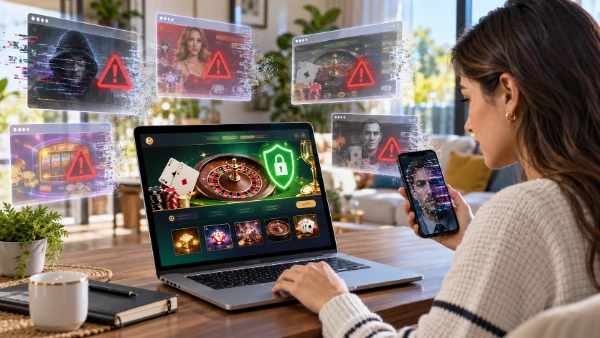
Fake Domains Need Fast Identification and Removal
A cloned casino domain may differ from the genuine address by one letter, a hyphen or another ending. The page can copy colours, menus and bonus graphics closely enough to mislead a visitor. Some operators therefore register obvious typo variants and monitor new domains that resemble their brand.
From 23 March 2026, Google strengthened gambling certification rules by requiring advertisers to use domains they directly own and control. Its 26 August update also required current licensing and operational details. These measures do not stop every imitation site, but they make domain ownership clearer to verify.
When a copy is found, the usual response is to preserve evidence and report the site to the registrar, host, search engine and any service sending users to it. If the page collects account credentials or payment details, the case may also need referral to a regulator or law-enforcement body.
Counterfeit Bonuses Are a Customer-Trust Problem
Fake bonuses often copy real promotions while changing one important detail: the destination page, deposit request or eligibility rule. A casino can reduce this risk by keeping a current promotions section and removing expired offers, giving users one reliable place to check what is genuinely available.
Marketing teams should avoid vague claims that are easy to imitate. A genuine bonus message should show the main conditions close to the offer and lead to the same terms displayed on the official site. Consistency between the offer, landing page and terms helps users spot contradictions.
No brand can prevent every fake advert or copied domain. In 2026, the practical approach combines clear domain ownership, consistent promotion rules, active monitoring and rapid public communication. The aim is not only to remove fraud, but to make the genuine brand easier for ordinary users to recognise.